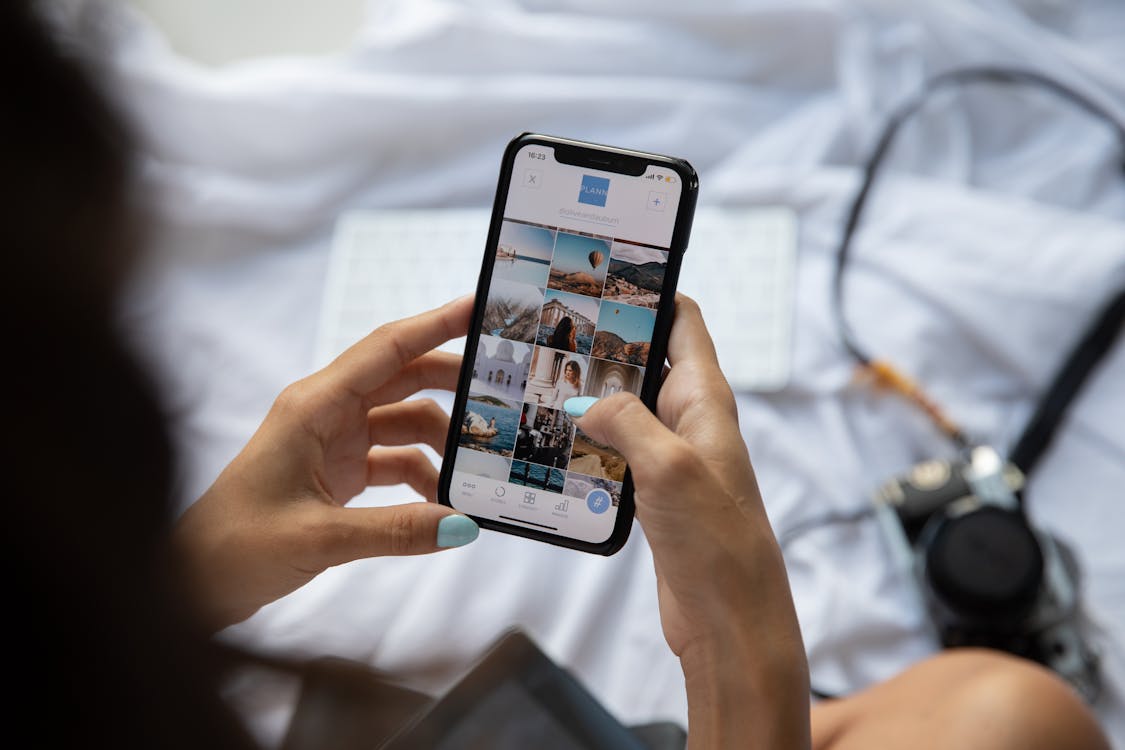
Walk through any airport in 2026 and watch which app travellers reach for first. For the majority of international guests — and a growing share of domestic ones — WhatsApp has replaced email as the default communication channel. According to Statista's 2025 messaging app data, WhatsApp has more than two billion monthly active users globally, and in markets like the UK, Germany, India, and Brazil, it is genuinely the primary channel for non-business conversation.
For short-term rental hosts, this matters because guest response rates on WhatsApp are dramatically higher than email, and the medium changes the tone of the conversation in ways that affect everything from arrival smoothness to review scores. But WhatsApp also creates operational risks if you are not deliberate about how you use it.
Why WhatsApp Wins on Response Rate
Email gets the same treatment as junk mail by most travellers under 40 — it is checked once a day at best, and pre-arrival emails frequently get buried under booking confirmations from airlines, transfer providers, and other accommodation platforms. SMS has the opposite problem: it works, but it costs per message and most international travellers do not use their carrier SMS abroad due to roaming charges.
WhatsApp sits in the middle. It is free over Wi-Fi and mobile data, integrates with the device's notification system in the same way as the messaging app guests already use with friends and family, and supports rich media (photos, voice notes, document attachments) without the formatting friction of email.
In our internal benchmarks across mid-market hosts, response rates to pre-arrival WhatsApp messages run 80-90%, compared to 35-50% for email. The gap on day-of-arrival messages is even wider — closer to 95% on WhatsApp versus 25% on email.
Where WhatsApp Underperforms
It is not a universal upgrade. There are categories of communication where email or SMS still outperforms:
- Booking confirmations and invoices. Guests expect formal documents in their inbox. Sending a £400 invoice as a WhatsApp message looks unprofessional and creates record-keeping confusion.
- Marketing or repeat-guest outreach. WhatsApp has strict business-messaging rules and explicit consent requirements. Promotional messages from a hospitality business without prior opt-in violate both Meta's business policies and most consumer protection laws.
- First contact with guests over 60. Demographics matter. A 25% slice of bookings still come from guests who genuinely prefer email or phone, and pushing them to WhatsApp creates friction.
- Anything that needs an audit trail. WhatsApp Business does keep message history, but for damage disputes, refund requests, or anything that might need to be referenced months later, email creates a cleaner paper trail.
The Operational Rules That Make WhatsApp Sustainable
The most common failure mode for hosts adopting WhatsApp is burnout. Guests expect near-instant replies on WhatsApp the way they would from a friend. Without operational discipline, you end up answering messages at midnight from your phone in bed.
1. Use a separate business number
Never give guests your personal WhatsApp. Set up WhatsApp Business on a dedicated number — either a SIM in a second phone, or via a virtual number provider like Twilio. The discipline of separation lets you set work hours and step away.
2. Set up "office hours" auto-replies
WhatsApp Business supports automated away messages and quick replies. Configure a message that fires outside your working hours, sets a clear response time expectation ("we typically reply within 4 hours during 8am-9pm"), and points to your emergency contact for genuine urgencies. Guests overwhelmingly accept this when communicated upfront — they just want predictability.
3. Use template messages for the repetitive 80%
The same handful of questions account for the vast majority of guest messaging: WiFi password, parking, check-in time, late check-out, food recommendations, transport. Build template messages for each. Quality replies in 10 seconds beat artisanal hand-crafted answers that take 15 minutes and arrive too late.
4. Centralise WhatsApp in your platform
Hosts running more than three properties quickly hit the limit of managing WhatsApp from a phone. A unified messaging inbox that consolidates email, SMS, and WhatsApp into one queue, with reservation context attached to every conversation, is the difference between sustainable and unsustainable.
Compliance: The Part Most Hosts Get Wrong
WhatsApp Business is governed by Meta's Commerce Policy and, in the EU and UK, by GDPR. The two rules that catch hosts off-guard:
- You can reply to inbound messages freely within a 24-hour window after the guest's last message. Outside that window, only pre-approved template messages are allowed.
- Marketing or promotional outreach requires explicit opt-in — checked at booking, with the consent recorded. Sending "we have a special offer for past guests" without that record is a policy violation that can get your number banned.
For most hosts, the practical implication is simple: use WhatsApp reactively (replying to guest-initiated conversations, sending booking-related messages) and use email for anything broadcast or marketing-led.
The Channel Mix That Actually Works
The most effective hosts treat WhatsApp as one channel in a deliberate mix:
- Booking confirmation: email (formal, archival)
- Pre-arrival reminder (24h before): WhatsApp (high open rate, conversational tone)
- Day-of-arrival check-in details: WhatsApp (last-mile clarity, photo of keypad, parking instructions)
- In-stay support: WhatsApp (guest's preferred channel by then)
- Post-stay invoice / receipt: email (formal, tax-friendly)
- Review nudge: email (less intrusive than WhatsApp for an ask)
For more on building a guest communication system that earns five-star reviews, see our complete guide to guest communication. For broader messaging infrastructure considerations, our tech stack guide covers how messaging fits into the wider toolkit.
WhatsApp is not the future of guest communication — it is already the present in most international markets. The hosts who treat it as a disciplined operational channel will outperform those who either ignore it or let it consume their evenings.